Education is a powerful tool for transformation, opening doors to opportunities and breaking cycles of poverty. In many underserved communities, access to quality education remains a challenge due to financial constraints, lack of resources, and systemic barriers.
However, through targeted educational initiatives, organizations like the VW Korir Foundation are working to ensure that education becomes a right rather than a privilege.
The Importance of Education in Community Development
Education is the foundation of personal and societal growth. It equips individuals with the knowledge, skills, and confidence needed to contribute meaningfully to their communities.
When people are educated, they are more likely to find employment, make informed decisions, and advocate for their rights. Furthermore, educated communities experience lower crime rates, improved healthcare outcomes, and overall economic growth.
Addressing Barriers to Education
Many children in disadvantaged areas face numerous obstacles in accessing education. These barriers include:
- Financial Constraints: Many families struggle to afford tuition fees, uniforms, and school supplies, forcing children to drop out of school.
- Lack of Educational Resources: Insufficient books, digital tools, and trained teachers hinder effective learning.
- Social and Cultural Barriers: In some communities, cultural beliefs discourage girls from pursuing education or prioritize work over schooling.
- Inadequate Infrastructure: Poorly equipped schools, lack of electricity, and long travel distances to learning institutions make education less accessible.
The Role of Community Support and Initiatives
Community-driven initiatives play a crucial role in overcoming these barriers. When local organizations, leaders, and individuals collaborate, they can create solutions that make education more accessible. Some effective strategies include:
- Scholarship and Financial Aid Programs: These help reduce the financial burden on families and ensure students stay in school.
- Resource Centers and Libraries: Establishing spaces equipped with books, computers, and study areas supports continuous learning.
- Mentorship and Skill Development: Pairing students with mentors who guide them through academic and career challenges enhances their motivation and aspirations.
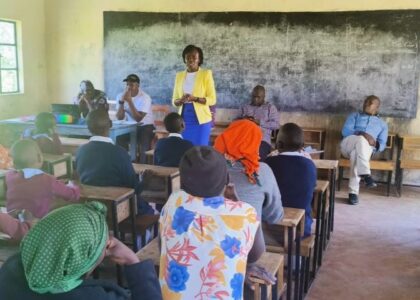
- Awareness Campaigns: Educating communities on the long-term benefits of education encourages more families to prioritize schooling.
Looking Ahead: Creating Sustainable Educational Opportunities
Ensuring that education continues to thrive requires sustained efforts and long-term investments. Future initiatives should focus on:
- Expanding access to digital learning tools to bridge the technological gap.
- Partnering with stakeholders to enhance school facilities and learning environments.
- Encouraging policies that support equal educational opportunities for all children.
By prioritizing education, we empower individuals to build better futures, contribute to their communities, and break generational cycles of poverty. Together, we can continue breaking barriers and unlocking the full potential of our communities through education.